
This year, once again, we returned to Argentina, as we have been doing for nearly thirty years. The first thought that comes to mind is that the extraordinary quality of this country has remained virtually unchanged despite the passing years.
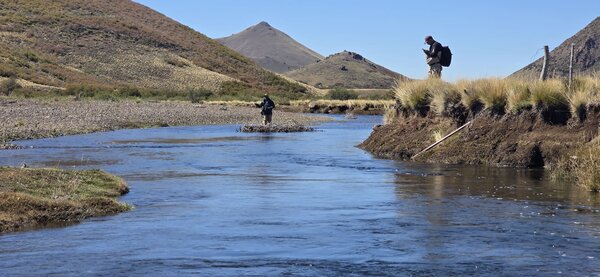
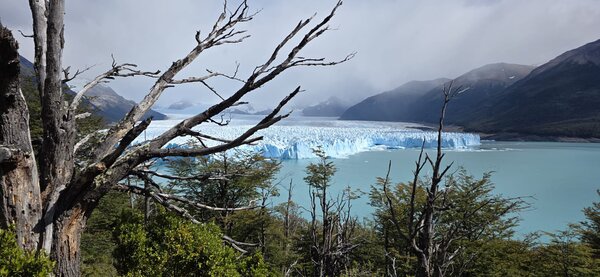
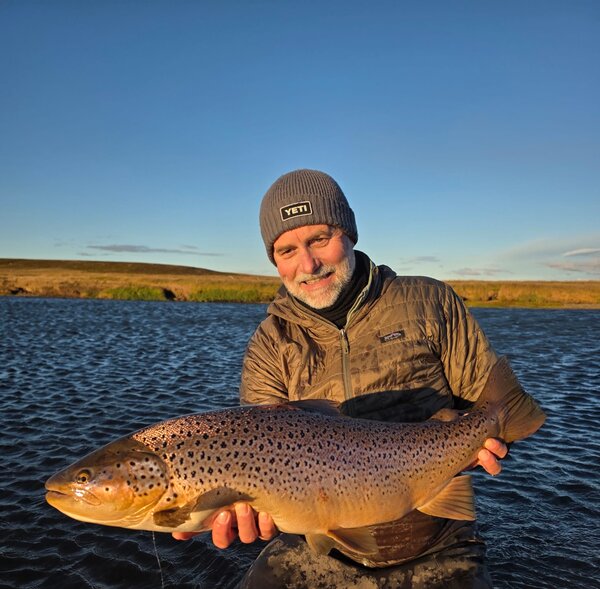
Whether we are talking about Tierra del Fuego or northern Patagonia, both the fishing and the hospitality continue to be of the highest standard. Recently, we stayed at a lodge in Tierra del Fuego to fish the Río Gallegos and the Río Penitente, at Estancia Rinconflyfishing, where anglers can catch large sea-run brown trout that migrate upstream every year from January to March. We then moved to a vast estancia crossed by numerous rivers and lakes. There, we visited and photographed a newly built lodge, Chochoy Mallín, located near the Chilean border, and fished the Trocoman, Nirelivu, and Nireco rivers, as well as several lagoons in the northwestern part of the province of Neuquén.
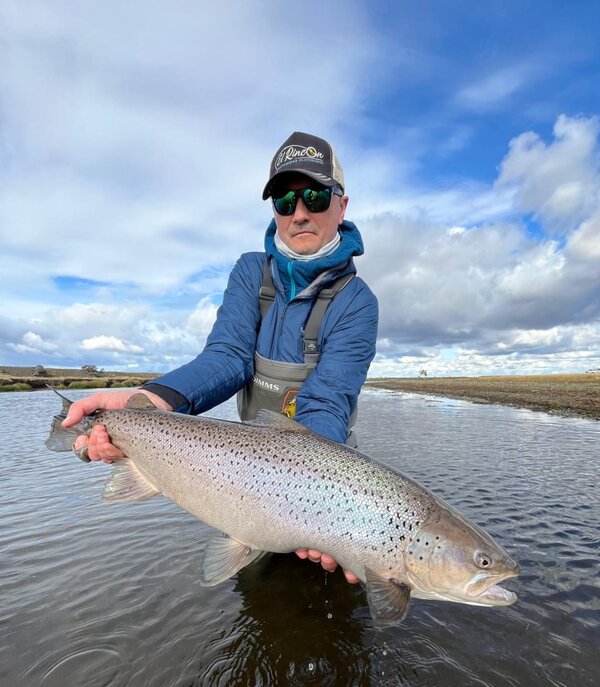
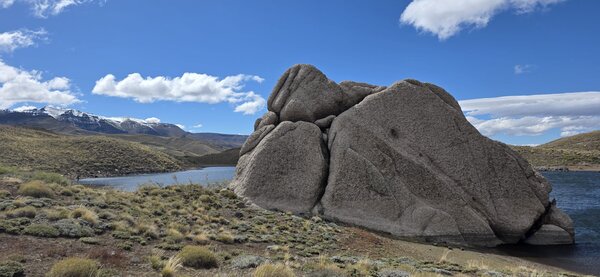
Many of these rivers flow through private land, where access is only possible with the keys to the many gates and fences that mark the grazing areas. Although the waters in Argentina are public, this system of privately controlled access to certain stretches of riverbanks has made it possible to preserve the exceptional quality of the fishing.
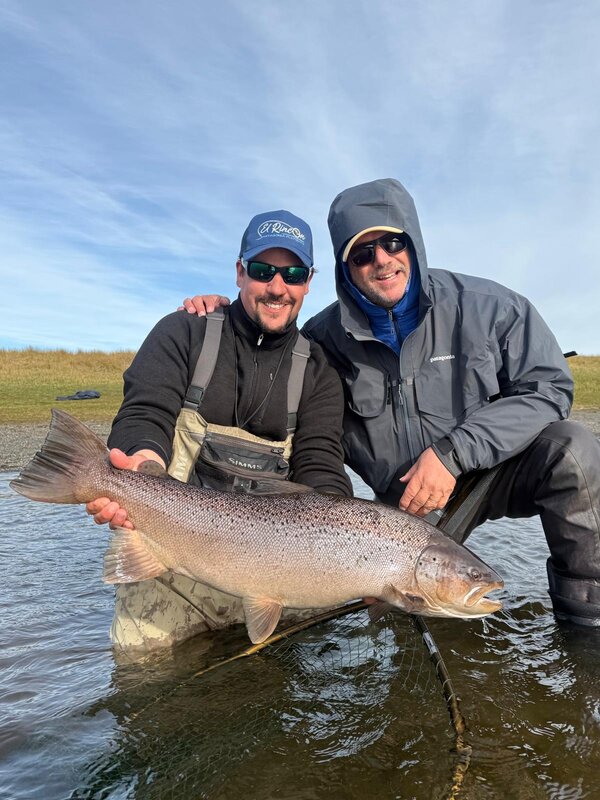
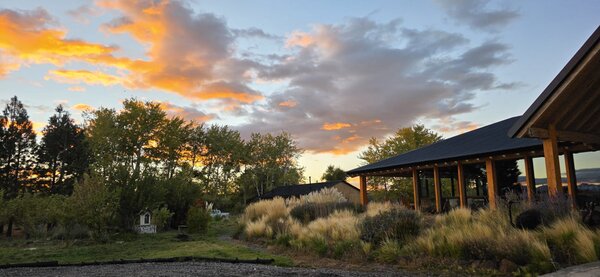
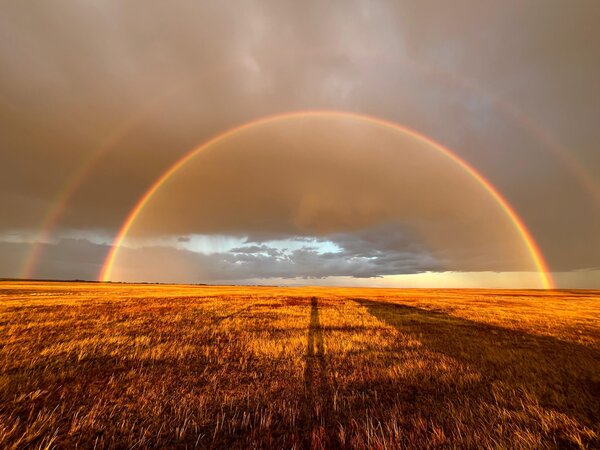
Here, fly fishing is the only permitted method, and all fish are released unharmed. These are two fundamental principles that help maintain the outstanding quality of the fishery. Combined with carefully controlled fishing pressure—since anglers may fish only with licensed guides—this system ensures sufficient profitability for the company managing the fishery while keeping the rivers in their natural, unspoiled condition. These principles seem straightforward enough to understand, yet apparently not simple enough to be widely put into practice in Italy.
Other related news

12/11/2025
Summer Barbel: Feeder Fishing on the Ticino River

12/01/2026
Bottom Fishing for Everyone

06/12/2025
Squid time
15/07/2025
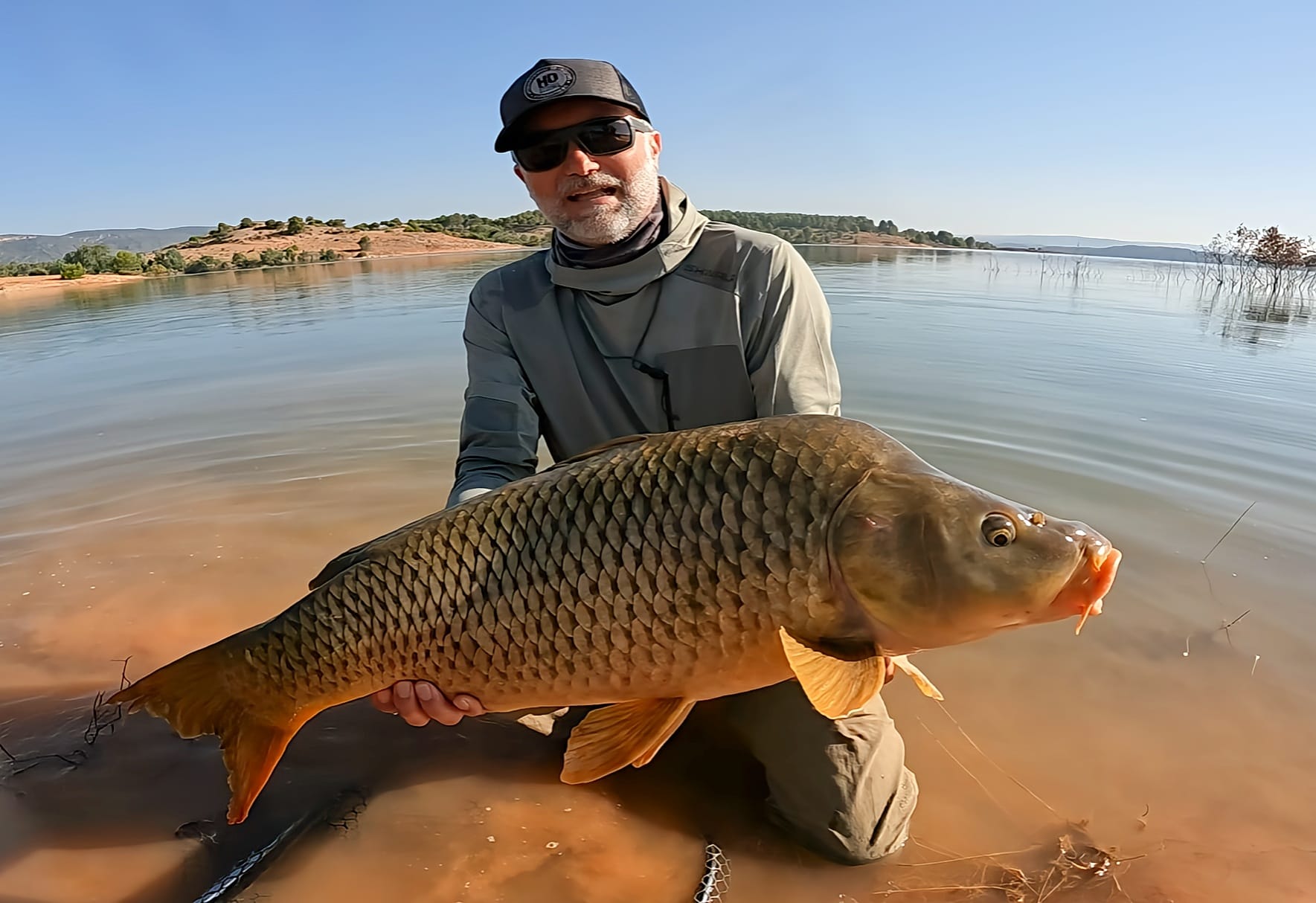
Spanish Carp on the Fly

01/07/2026
Carpfishing in open waters

31/07/2026
Carpfishing: never give up!

01/12/2025
Expedition Predator Youtube Challenge

03/12/2025
Fishing Beyond Limits

23/02/2026
The lure you can’t buy

23/02/2026
Following the Mediterranean Spearfish

23/02/2026
From Sea to Data: When Recreational Fishing Becomes Science

23/02/2026
When the Sea Changes: Alien Species First Spotted by Fishers

22/11/2025
Ireland, land of pike and dreams

23/02/2026
Carpfishing

08/12/2025
The great challenge
01/10/2025
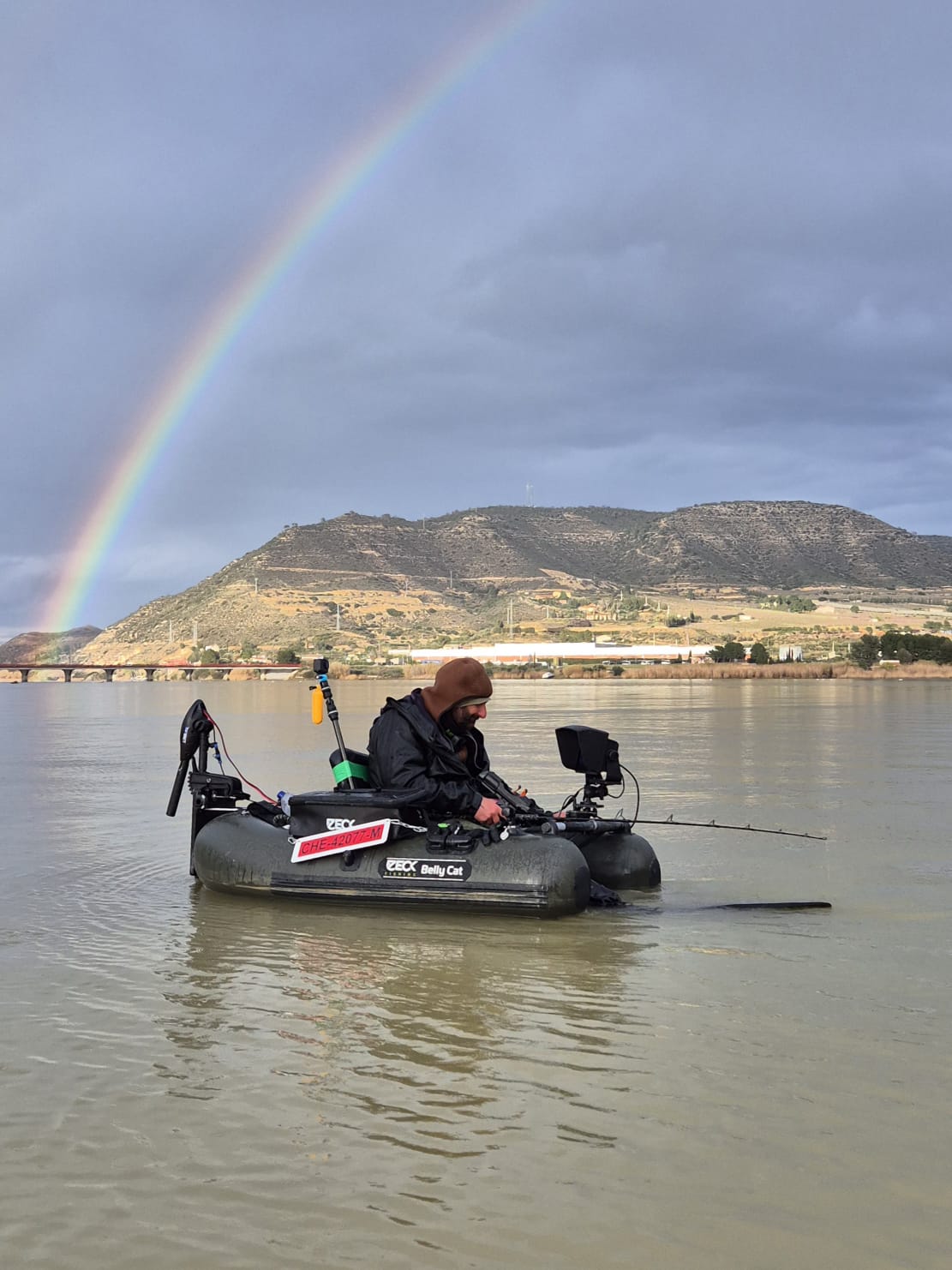
Catfish angling from a belly boat