
By Chiara Gambardella & Carlotta Santolini
Imagine casting your line and, together with the fish, bringing up a piece of knowledge about our Mediterranean Sea. Recreational and sport fishing can become a source of scientific insight through citizen science programs, where anglers act as true observers of the marine environment.
What Is Citizen Science in Recreational Fishing?
Citizen science involves members of the public in collecting scientific data using simple, shared protocols. For anglers, this can mean taking photographs, measuring catches, reporting rare species, participating in tagging programs, or collecting small biological samples during fishing trips (FAO, GFCM/45/2022/12).
In the Mediterranean, this contribution is especially important. Without data gathered directly at sea, a significant portion of human pressure on marine ecosystems would remain invisible. Those who regularly spend time on the water are often the first to notice changes: new species appearing, shifts in abundance, or alterations to seabed habitats. In this sense, fishers become real “sentinels” of marine ecosystems (Bonney et al., 2021).
Simple Data, Big Impact
With just a few basic tools, a measuring tape, a smartphone, and careful observation, anglers can collect highly valuable data. Clear photos taken from the side or above help ensure correct species identification, which is especially important for sharks and rays. Basic information such as date, location, depth, length, and whether the animal was released or retained adds further scientific value.

In more structured projects, collaboration may include tagging to track movements over time or collecting small tissue samples for genetic analysis. These data allow researchers to reconstruct migration routes, identify aggregation areas, and better understand population structure. Institutions such as the General Fisheries Commission for the Mediterranean are increasingly promoting these approaches, turning fishing trips into meaningful contributions to conservation and management.
Examples That Make a Difference
In the United States, participatory shark-tagging programs have enabled anglers and volunteers to tag over 300,000 sharks across more than 50 species. Thousands of recaptures have helped identify migration corridors, key habitats, and sensitive areas for these large predators.
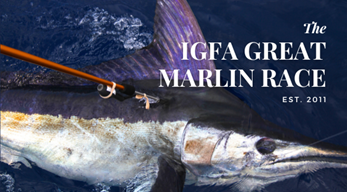
Figure 1 – From the International Game Fish Association website: the Great Marlin Race initiative.
The Mediterranean offers important examples as well. Along the northern Adriatic coast of Italy, surveys conducted among recreational fishers have helped estimate fishing effort and interactions with sharks and rays. Results suggest that recreational catches may account for up to 45% of those of small-scale artisanal fisheries (Bernardi et al., 2025).
These findings, made possible by direct collaboration with fishers, are essential for understanding real fishing pressure and designing more effective management measures.
Start Today!
Getting involved is easier than it sounds. You can ask your local fishing club about ongoing initiatives, join projects such as European Sharks , or use apps like iNaturalist or sharkPulse to upload observations along with a few basic details. Even during a fishing competition, collecting and sharing data can make a real difference.
Every sighting, every measurement, every photograph is a small piece of a much larger puzzle. Science also needs those who experience the sea through passion. Sometimes, your fishing reel can truly help turn the wheel of knowledge.
Other related news

12/11/2025
Summer Barbel: Feeder Fishing on the Ticino River

12/01/2026
Bottom Fishing for Everyone

06/12/2025
Squid time
15/07/2025
Spanish Carp on the Fly

01/07/2026
Carpfishing in open waters

31/07/2026
Carpfishing: never give up!

01/12/2025
Expedition Predator Youtube Challenge

03/12/2025
Fishing Beyond Limits

23/02/2026
The lure you can’t buy

23/02/2026
Following the Mediterranean Spearfish

23/02/2026
When the Sea Changes: Alien Species First Spotted by Fishers

22/11/2025
Ireland, land of pike and dreams

23/02/2026
Carpfishing

08/12/2025
The great challenge
01/10/2025
Catfish angling from a belly boat

13/01/2026
Cape Verde, the paradise of fishing