
By Chiara Gambardella & Carlotta Santolini
In recent years, those who regularly go out to sea have noticed it before many others: the Mediterranean is changing. Not only warmer waters or shifting seasons, but new species appearing where they had never been seen before. Fish turning up in nets, on hooks, or along the shoreline, raising simple questions at first: What is it? Where does it come from? Is it normal to find it here?
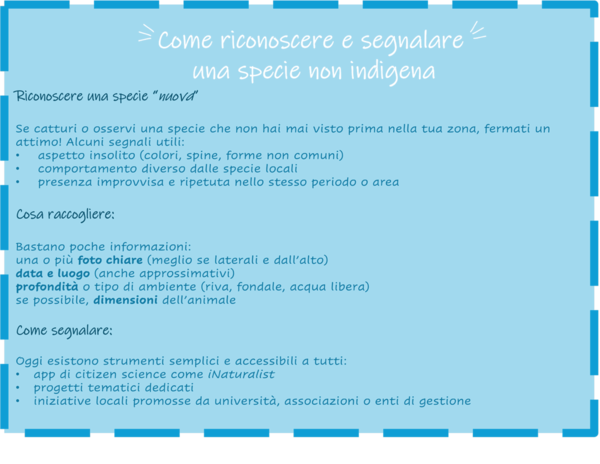
In many cases, the answer is no. These are non-indigenous species, often called “alien” or “invasive,” introduced through human activities and increasingly favored by climate change. And very often, the first to notice them are fishers, both professional and recreational.
How Alien Species Reach the Mediterranean
There are several pathways. Some species enter through the Suez Canal, moving from the Red Sea into the Mediterranean in what is known as Lessepsian migration. Others arrive via ships’ ballast water or attached to hulls.
Once introduced, some species establish themselves quickly, especially when they encounter few natural predators or ecological barriers. That is when ecological, and often economic, problems begin.
The Blue Crab: From Problem to Resource
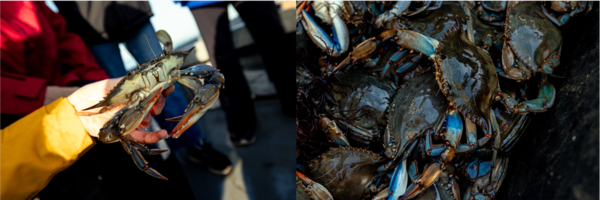
Figure 1: foto del granchio blu. © Matteo Garrone
One of the most emblematic recent cases is the Atlantic blue crab (Callinectes sapidus), native to the American Atlantic coast. First reported sporadically in the 1980s, in recent years it has become extremely abundant in many Italian coastal areas, particularly in the Adriatic Sea.
Fishers were the first to report sudden increases in catches, damage to nets, and impacts on clams, mussels, and other commercially important species. What initially seemed anecdotal proved crucial in understanding the speed and scale of the invasion.
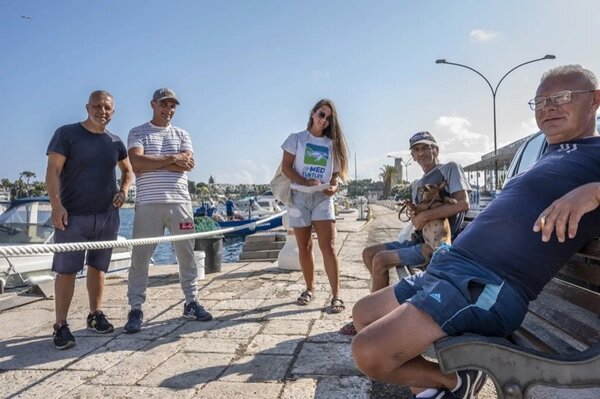
Figure 2: collaborazione con pescatori. Foto di ©Francesco Martinelli
In this context, collaboration between fishers, researchers, and businesses has begun to make a difference. Experiences developed by companies such as Mariscadoras Srl and initiatives like Blueat show how the blue crab can be monitored, managed, and even valorized—transforming an ecological challenge into a potential economic resource, while maintaining focus on ecosystem balance.
Not Just Blue Crab: Other Species to Know
The blue crab is not an isolated case. In recent years, more and more fishers have reported new species, or species that have suddenly become far more common, along Italian coasts.
A striking example is the lionfish (Pterois miles), a tropical species easily recognized by its long venomous spines and bold coloration. Entering the Mediterranean through the Suez Canal, it has spread rapidly, especially in the eastern basin. Fishers were among the first to document its presence, enabling monitoring and containment programs. The lionfish is a highly efficient predator and can significantly impact native small fish communities.
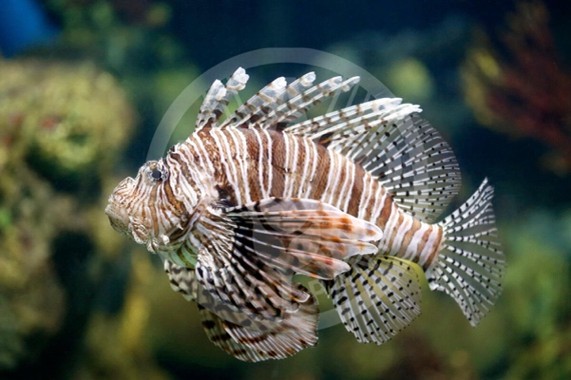
Figure 3: Lionfish. FAO digital hub
Another well-known species among fishers is the bluefish (Pomatomus saltatrix). Although present in the Mediterranean for decades, its distribution and abundance have increased in many coastal areas in recent years. Its strong predatory behavior and adaptability make it a symbol of a sea in transformation.
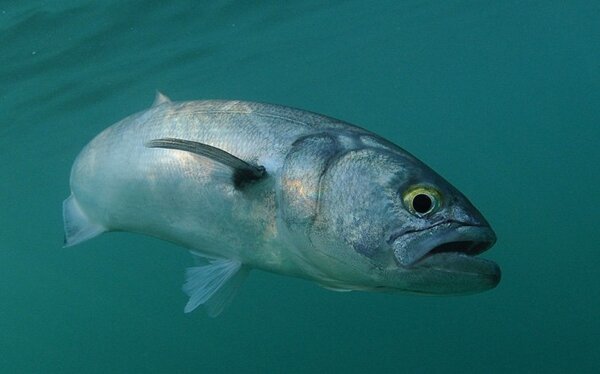
Figure 4: Pesce serra
Once again, observations from the fishing community have played a key role in documenting its expansion and understanding its ecological role.
These examples show how fishing, especially recreational fishing, can provide valuable insights into how and how quickly the Mediterranean is changing.
Other related news

12/11/2025
Summer Barbel: Feeder Fishing on the Ticino River

12/01/2026
Bottom Fishing for Everyone

06/12/2025
Squid time
15/07/2025
Spanish Carp on the Fly

01/07/2026
Carpfishing in open waters

31/07/2026
Carpfishing: never give up!

01/12/2025
Expedition Predator Youtube Challenge

03/12/2025
Fishing Beyond Limits

23/02/2026
The lure you can’t buy

23/02/2026
Following the Mediterranean Spearfish

23/02/2026
From Sea to Data: When Recreational Fishing Becomes Science

22/11/2025
Ireland, land of pike and dreams

23/02/2026
Carpfishing

08/12/2025
The great challenge
01/10/2025
Catfish angling from a belly boat

13/01/2026
Cape Verde, the paradise of fishing